Description
What The GIGABYTE B365 HD3 Is
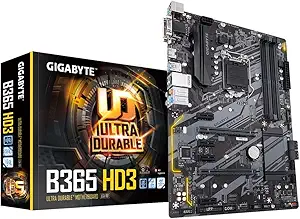
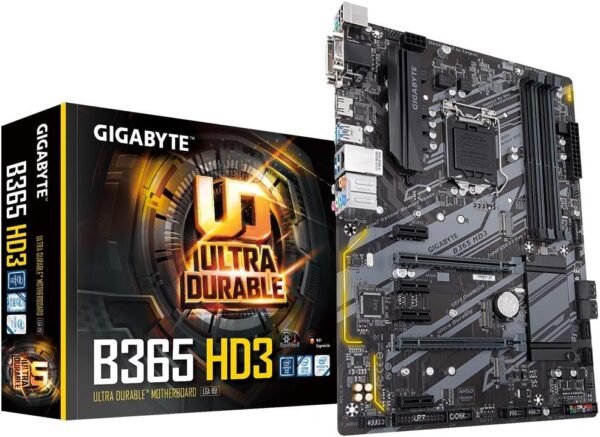
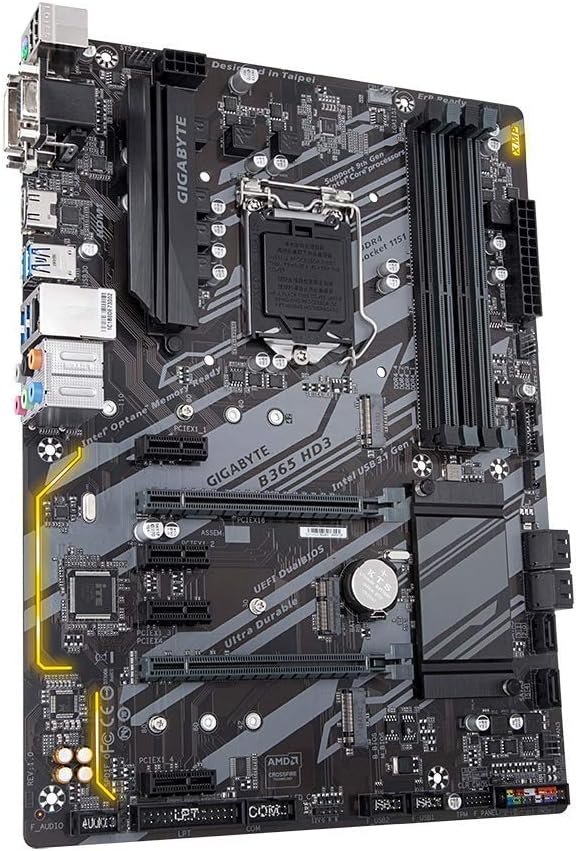
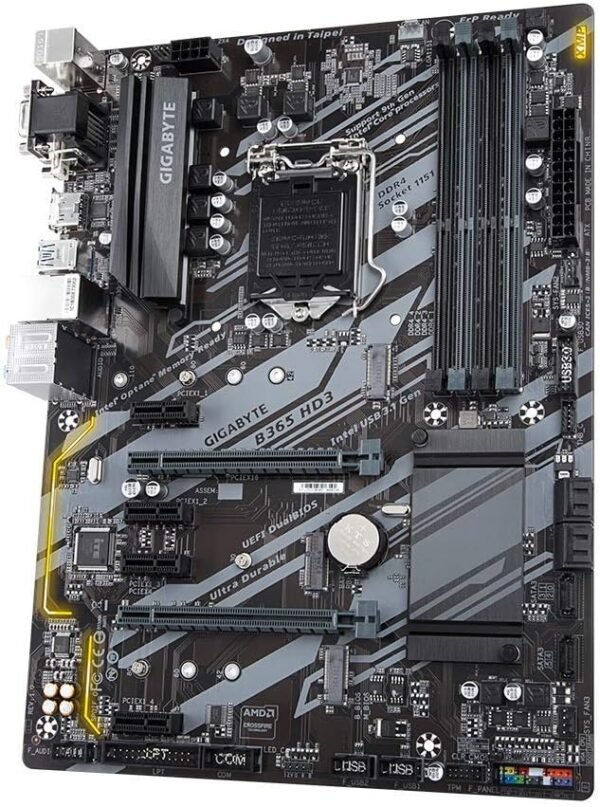
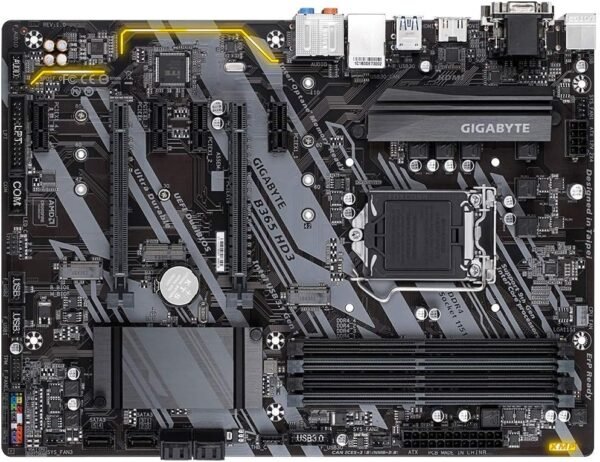
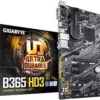
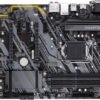
The GIGABYTE B365 HD3 is a full size ATX motherboard for older Intel desktop processors. The manufacturer listing is unusually explicit about the compatibility basics, and states them in the product name itself: LGA1151 socket, Intel chipset, ATX form factor, two M.2 sockets, GIGABYTE 8118 Gaming LAN, a Wi-Fi upgradable slot, Smart Fan 5 and DDR4 memory. The chipset is B365, which was Intel’s mainstream business and value part for that socket generation, sitting below the Z series overclocking chipsets.
Because compatibility matters more than anything else on a board purchase, it is worth stating the two limits plainly. The listing says the board supports 9th Gen and 8th Gen Intel Core processors, and it names LGA1151 as the socket. It does not print a full model by model CPU support list and it makes no statement about BIOS versions or BIOS update requirements, so nothing can be concluded from this page about whether a specific chip will post out of the box. Anyone pairing a used processor with this board should check the GIGABYTE support page for the exact model.
Memory And Storage
Memory is dual channel non ECC unbuffered DDR4, and the specification table lists a memory speed of 2666 MHz. That is consistent with the B365 chipset tier, where memory overclocking is not the point. The board is not an XMP playground, and buyers hunting high frequency kits are looking at the wrong chipset.
Storage is where the HD3 is more generous than its class usually allows. Two Ultra Fast M.2 sockets are fitted, described as supporting PCIe Gen3 x4 or x2 along with the SATA interface. Two M.2 sockets on a budget ATX board of this generation is genuinely useful, and it means a boot drive plus a second NVMe drive without any adapter. The listing also states the board is Intel Optane Memory Ready and supports lightning fast Intel Thunderbolt 3 through an add in card, which is a way of saying Thunderbolt is possible but not built in.
Wi-Fi Is An Upgrade, Not A Feature
The listing describes an M.2 socket with one slot for Wi-Fi upgradability. That wording matters: the socket is present, the card is not. Anyone who needs wireless on day one has to buy a module separately, or add a PCIe card such as the TP-Link Archer TX3000E, or use a USB adapter. Wired networking is handled by the GIGABYTE exclusive 8118 Gaming LAN controller with bandwidth management software.
Audio, Cooling And Durability Features
Audio is built around high quality audio capacitors with an Audio Noise Guard separating the analog section from board noise, with LED trace path lighting along the divide. That is a common mid tier arrangement and a step above the bare minimum, though the listing does not name the audio codec, so the exact chip is unknown from this page.
Cooling control comes from GIGABYTE Smart Fan 5, which the listing describes as offering multiple temperature sensors and hybrid fan headers with a fan stop mode. Hybrid headers accept both pulse width modulation and voltage controlled fans, which is convenient when reusing older case fans. Durability claims include anti sulfur resistor design, ultra durable 25KV electrostatic discharge protection and 15KV surge protection on the network port. RGB LED strip support in seven colors and CEC 2019 power compliance round out the list.
Highlights
- LGA1151 socket and B365 chipset, both stated in the listing.
- Full ATX form factor with standard mounting.
- Support listed for 9th Gen and 8th Gen Intel Core processors.
- Dual channel non ECC unbuffered DDR4, spec table lists 2666 MHz.
- Two M.2 sockets at PCIe Gen3 x4 or x2 plus SATA.
- M.2 socket available for a Wi-Fi module upgrade.
- GIGABYTE 8118 Gaming LAN with bandwidth management.
- Smart Fan 5 with hybrid fan headers and fan stop.
- Anti sulfur resistors, 25KV ESD and 15KV LAN surge protection.
- Intel Optane Memory Ready and Thunderbolt 3 add in card support.
Things To Consider
The physical data on this listing is not trustworthy. Item weight is given as 0.01 ounces, which is impossible for an ATX motherboard, and the product dimensions of 12.79 by 10.23 by 2.12 inches describe the retail box rather than the board, since ATX is a 12 by 9.6 inch standard. The battery line reading one lithium metal battery required and included refers to the CMOS coin cell, not a power source for the board. Read those fields as import artifacts.
- This is an older platform. LGA1151 and DDR4 at 2666 MHz limit the upgrade path, and new processors for this socket are no longer produced.
- No Wi-Fi card is included despite the M.2 wireless socket.
- B365 does not support CPU overclocking, so a K series processor gains nothing here.
- The audio codec is not named in the listing.
- M.2 sockets are PCIe Gen3, so they will not deliver Gen4 drive speeds.
- Thunderbolt 3 requires a separate add in card.
- Weight and dimension figures in the specification table are wrong, as described above.
Who Should Buy It And Who Should Not
The B365 HD3 makes sense for a repair, a rebuild or a budget office machine where an 8th or 9th Gen LGA1151 processor and DDR4 memory are already on hand. Two M.2 sockets and full ATX expansion make it a practical base for a general purpose desktop, and the durability features are a fair fit for a machine expected to run for years without attention. Builders working with the same era of hardware may also want to compare the ASRock Z390 Phantom Gaming 4 and the GIGABYTE Z390 AORUS Elite, both of which sit on the same socket with a higher tier chipset.
It is the wrong choice for a new build from scratch. Anyone starting fresh should be on a current platform with DDR5 and PCIe 4.0 or 5.0, which points toward boards such as the ASRock Z790M-ITX WiFi or the newer options across the motherboards category. It is also the wrong choice for overclockers, and for anyone who needs wireless working out of the box. Buyers who still need a chip for this socket can compare current stock in the CPU processors category.