
Description
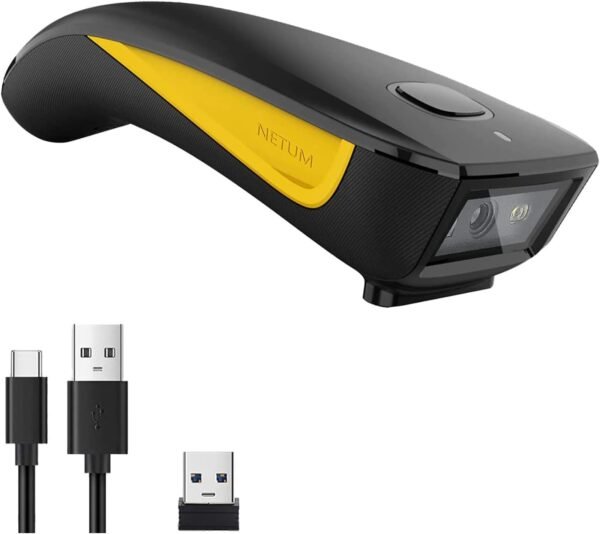
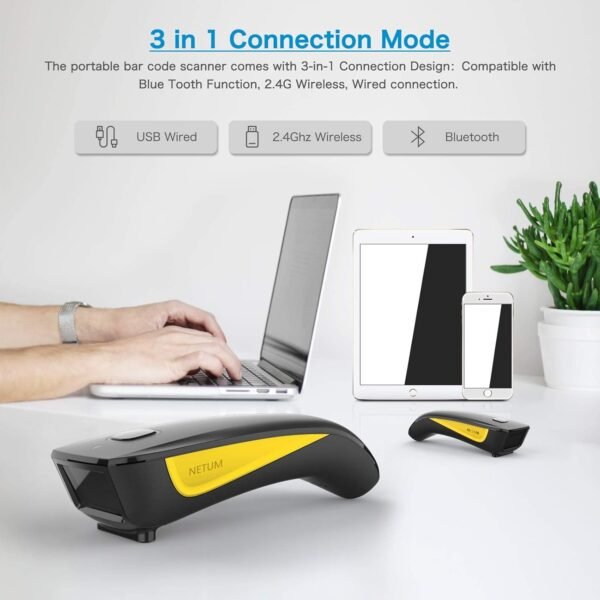
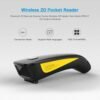
The NETUM C750 is a pocket sized barcode scanner that reads both one dimensional barcodes and two dimensional codes including QR codes. NETUM lists three connection methods, Bluetooth, 2.4 GHz cordless and wired USB, and states compatibility with tablets, iPhone, iPad, Android and iOS devices, PCs and point of sale systems. The unit measures 4.88 by 1.61 by 0.98 inches and weighs 6.7 ounces. The listing dates to February 2020.
The description field on this listing is empty and the specification block holds only dimensions, weight, model number and date, so the facts below come from the product title, and the gaps are identified rather than filled.
1D Versus 2D, and Why It Matters
This is the specification that determines whether a scanner is useful to you, and it is worth being precise about.
A one dimensional barcode is the familiar striped code on retail packaging, encoding a short number read across a single line. A two dimensional code, of which the QR code is the best known, stores data in a grid and holds far more information: URLs, contact details, tracking numbers, structured records.
Scanners that read only 1D codes typically use a laser line, and they cannot read a QR code at all. A 2D capable scanner uses an image sensor, effectively taking a picture and decoding it, which is why the product title describes an image reader. That approach brings a second advantage that matters more every year: an image based reader can decode codes displayed on a phone or computer screen, which a laser scanner generally cannot. If you scan digital tickets, coupons, loyalty codes or shipping labels shown on a customer’s phone, 2D imaging is not optional.
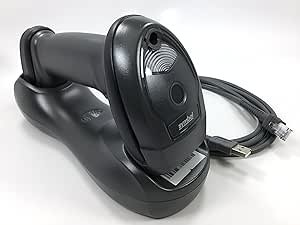
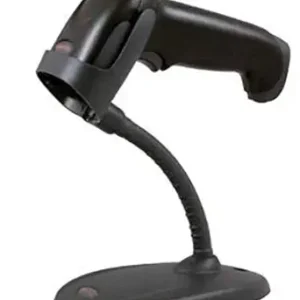
For comparison, a traditional retail laser scanner such as the Zebra LS2208 is a 1D device, while an imager such as the Honeywell Voyager 1250G sits in a different part of the same category. Know which codes you actually need to read before choosing.
The Three Connection Modes
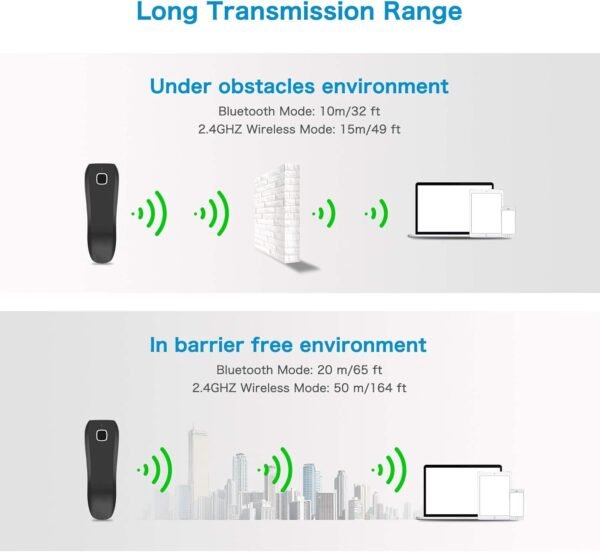
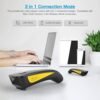
Bluetooth, 2.4 GHz cordless and wired USB cover three different working situations, and having all three in one device is the practical selling point.
Wired USB is the simplest: plug it in and the scanner behaves as a keyboard, typing the scanned code into whatever field has focus. That requires no drivers and no pairing, and it works with almost any software.
The 2.4 GHz cordless mode uses a small USB receiver and gives the same keyboard behavior without a cable, which is what you want at a fixed till or a packing bench where the host machine has a spare USB port.
Bluetooth is the mode that makes this scanner useful with phones and tablets, since those have no USB port to spare and often no port at all. NETUM names iPhone, iPad, Android and iOS explicitly, which matters because Bluetooth barcode scanners connect to mobile devices as keyboards and behavior varies by platform. On iOS in particular, a connected hardware keyboard suppresses the on screen keyboard, which is a known workflow quirk worth being ready for.
Size and Portability
At under five inches long and 6.7 ounces, this is a scanner that fits in a pocket or an apron. That shape suits inventory counts, warehouse picking, market stalls, mobile retail and event check-in, where a corded desktop scanner would be useless. It is not a scanner for a fixed checkout lane running thousands of scans a day, where a full size handheld with a stand and a rugged housing is the correct tool.
Highlights
- Reads 1D barcodes and 2D codes including QR codes, using image based scanning.
- Three connection modes: Bluetooth, 2.4 GHz cordless and wired USB.
- Listed compatibility with iPhone, iPad, Android, iOS, tablets, PCs and POS systems.
- Pocket sized at 4.88 x 1.61 x 0.98 inches, weighing 6.7 ounces.
- Rechargeable, with a battery included per the listing.
- Listed as a current product rather than discontinued, since February 2020.
Things To Consider
The listing gives almost no specification, and several omissions matter for a scanner:
- No battery capacity and no runtime figure. Earlier copy on this page quoted a 1200 mAh cell and 20 hours of continuous scanning; those figures are not in the listing data available here and have been removed. If battery life is decisive, get the number from NETUM.
- No scanning modes are described. Many scanners in this class offer manual trigger, automatic sensing and continuous modes, and earlier copy claimed all three, but the listing does not state them.
- No offline storage capacity. This is the important one for inventory work: a scanner that can store scans while out of range and upload them later works very differently from one that requires a live connection. Ask about this specifically if you are counting stock away from a host device.
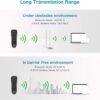
- No decode range, no supported symbologies list and no scan rate.
- The battery field reads “1 Lithium Metal batteries required. (included)”, which does not describe a rechargeable device and is an import error.
Two practical points. First, keyboard emulation scanners type into whatever field is focused, which is simple and also means a mis-focused window sends barcode data somewhere unintended. Second, confirm which symbologies you need, since not every 2D scanner reads every code format, and specialist codes used in healthcare and logistics are not universally supported.
Who Should Buy It, and Who Should Not
Buy the C750 if you need a small, portable scanner that reads both barcodes and QR codes, you work partly from a phone or tablet, and you value having wired, cordless and Bluetooth modes in one device. For inventory counts, market stalls, small retail and event check-in, the size and connection flexibility are the point, and 2D capability is essential for anything involving codes on screens.
Do not buy it for a high volume fixed checkout, where a full size handheld is more durable and more comfortable over long shifts, and do not buy it without confirming offline storage if you scan away from a connected device. Heavier duty alternatives include the Zebra LI4278. If your workflow also involves producing labels, a dedicated label printer such as the Brother QL-820NWB is the other half of the system. Our bar code scanners category and label printers category cover both.