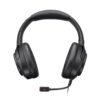
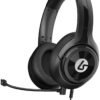
Description
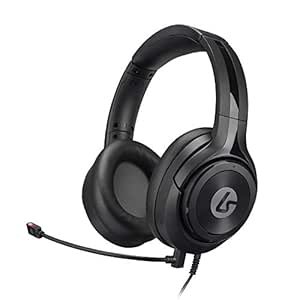
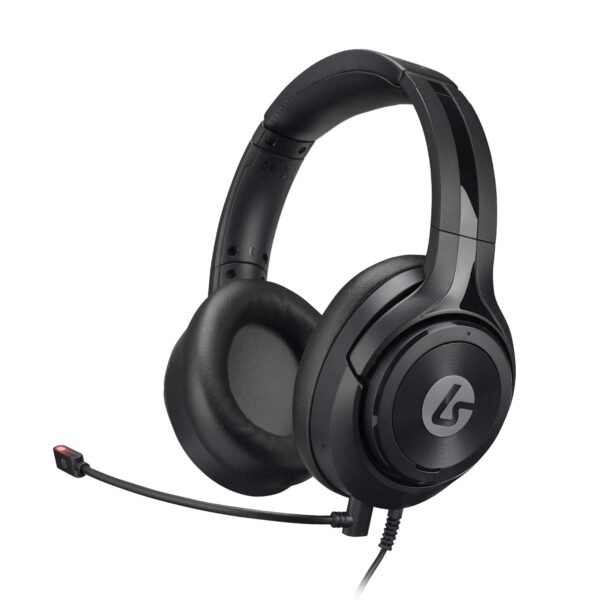
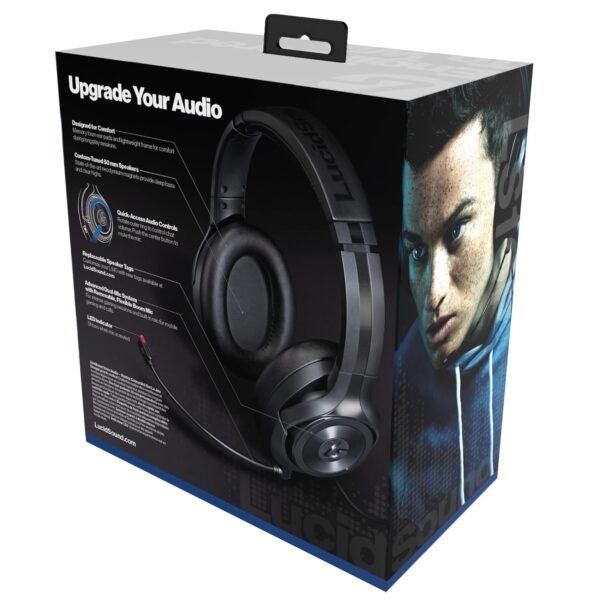
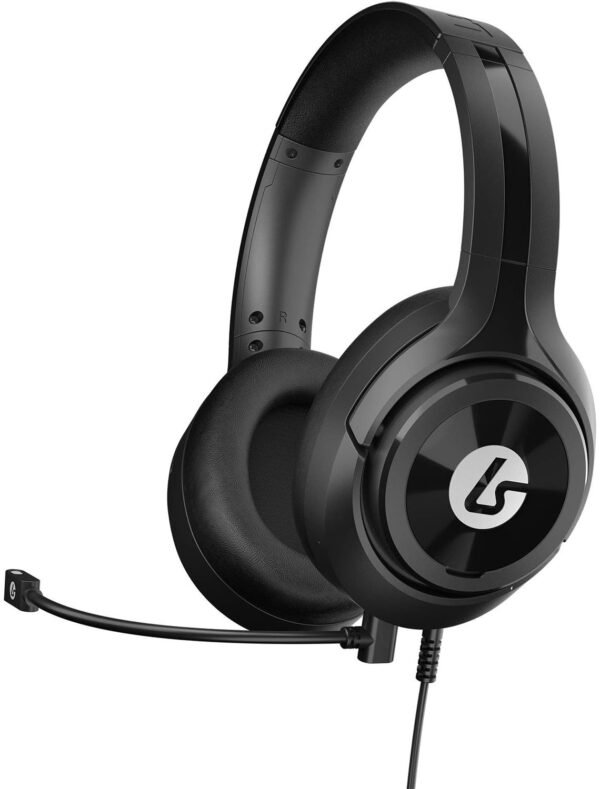
The LucidSound LS10P is a stereo gaming headset. LucidSound lists it for PlayStation 4 and PS4 Pro, and states compatibility with Nintendo Switch, PC, Mac, iOS and Android. That is the entire product data available on this listing: there is no specification block and no description text, so driver size, weight, cable length, control layout and microphone type are all unstated.
This review therefore explains what the named characteristics mean, sets out what a buyer needs to establish before ordering, and is explicit about what cannot be verified from this page.
What Stereo Means Here
The product is described as a stereo headset, and that word is doing real work. It means two channels, left and right, without virtual surround processing. Some gaming headsets add 7.1 or spatial processing that synthesizes positional cues from a stereo signal; this one, as listed, does not claim to.
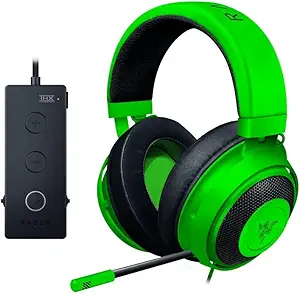
Whether that is a limitation depends on what you play and how. Many competitive players prefer plain stereo, on the grounds that surround processing alters the signal and can blur the exact cues they rely on. Console platforms also apply their own spatial audio processing at the system level in many cases, so a stereo headset can still deliver positional audio without doing the processing itself. For single player games, virtual surround can add atmosphere. If surround processing specifically is what you want from the headset hardware, a model such as the Razer Kraken Tournament Edition, which includes a USB DAC for that purpose, is the different category of product.
The Compatibility List Tells You Something
LucidSound names PS4 and PS4 Pro first, then Nintendo Switch, PC, Mac, iOS and Android. That list is worth reading structurally rather than just as a list of names.
A headset that works across a console, a handheld, two desktop operating systems and two mobile platforms is almost certainly connecting by an analog 3.5 mm cable, because that is the one connection every device on that list accepts. USB headsets do not work with a Nintendo Switch in handheld mode or with most phones. This is an inference from the compatibility list rather than something the listing states, so confirm the connector before ordering, but it is the arrangement the list implies.
An analog connection has real advantages. There is no driver software, no battery, no pairing and no latency added by a wireless link, and it works with a controller’s headphone jack, which is how console headsets are normally connected. It also means the headset has no volume control of its own unless one is built into the cable or the earcup, and the listing does not say which arrangement is used here.
Note what is not on the list: Xbox is absent, and PlayStation 5 is absent. Earlier copy on this page claimed PS5 and Xbox compatibility. Those claims are not supported by the listing data available here and have been removed. An analog headset will physically plug into any controller with a 3.5 mm jack, but this review will not state compatibility that the manufacturer’s own listing does not.
What to Establish Before Ordering
Because the listing supplies so little, the sensible approach is to treat a handful of questions as prerequisites rather than as nice to know. Each of them changes whether the headset suits you.
Ask about weight and clamping force. These are the two properties that decide whether a headset is comfortable after two hours, and neither appears on any specification sheet in a form you can compare. If you wear glasses, clamping force matters more still, since pressure on the arms of a frame becomes painful long before the cushions themselves do.
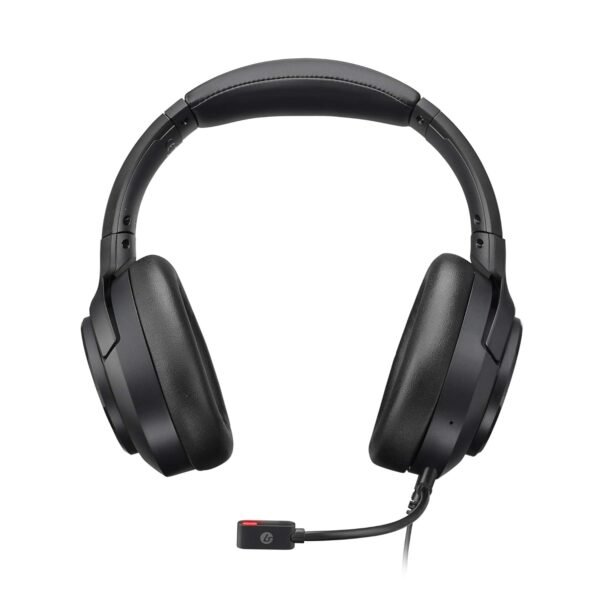
Ask about the microphone arrangement. A fixed boom that cannot be removed makes a headset awkward to use outside gaming. A flip-up boom that mutes when raised is the most convenient design. A detachable boom is the most flexible. The listing describes none of these, and the difference affects daily use more than any audio specification.
Ask about replacement cushions. Ear cushions are the first component to fail on any headset, typically within a couple of years of regular use, and a model with available replacement pads has a far longer usable life than one without. Manufacturers rarely advertise this, and it is worth a direct question.
Highlights
- Stereo gaming headset, listed by LucidSound for PS4 and PS4 Pro.
- Stated compatibility with Nintendo Switch, PC, Mac, iOS and Android.
- Stereo output without virtual surround processing claimed.
- Multi platform list consistent with an analog connection rather than USB or wireless.
- No battery to charge and no pairing to manage on an analog headset.
- LucidSound’s entry level model rather than one of its premium designs.
Things To Consider
The missing information here is extensive, and it is fair to weigh that against the product. None of the following is stated anywhere in the listing:
- Driver size and frequency response.
- Headset weight, which is the single biggest factor in long session comfort.
- Ear cushion material and whether the cups are on-ear or over-ear.
- Cable length and connector type.
- Microphone type, whether it is fixed, detachable or retractable, and whether there is a mute control.
- Whether there are volume or chat controls, and where they sit.
- Whether an adapter or splitter is included for PC use, which often needs separate microphone and headphone connections.
That last one is a practical trap worth naming. Console controllers use a single four pole 3.5 mm jack carrying both audio and microphone. Many desktop PCs have separate headphone and microphone sockets, and a console headset plugged into a single socket will play audio without the microphone working. If PC use is part of your plan, confirm whether a splitter is included or whether your PC has a combined headset jack.
The second consideration is where this product sits in LucidSound’s range. It is the entry model, and entry level headsets are built to a price. That is not a criticism, it is a positioning statement: expect the fundamentals rather than premium materials, and expect the cushions to be the first thing that wears.
Who Should Buy It, and Who Should Not
Buy the LS10P if you want a straightforward wired stereo headset for a PS4, you value a connection that works across a console, a PC and a phone without software, and you do not need surround processing. As a second headset, a headset for a shared console or a first headset for a younger player, an analog stereo model is the least complicated thing you can buy and there is nothing to go wrong with it.
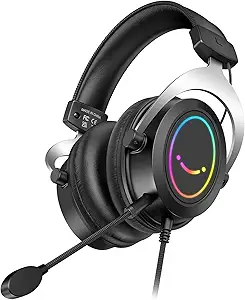
Do not buy it if you need documented specifications before purchase, if you play on Xbox or PS5 and want stated compatibility, or if you want wireless freedom. Wired alternatives with more published detail include the Sony INZONE H3, the Corsair HS35 v2 and the FIFINE H3. Our headsets category covers over-ear gaming models and the earbud headphones category covers the in-ear alternative for players who dislike a headband.