
Description
What The ASRock Z390 Phantom Gaming 4 Is
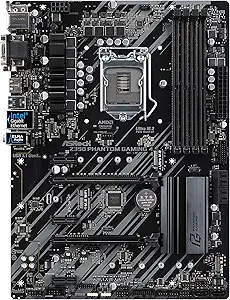
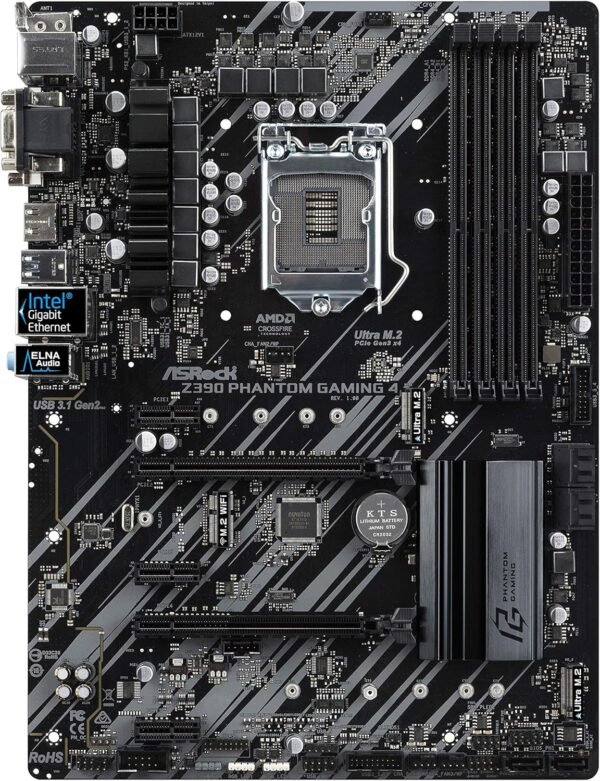
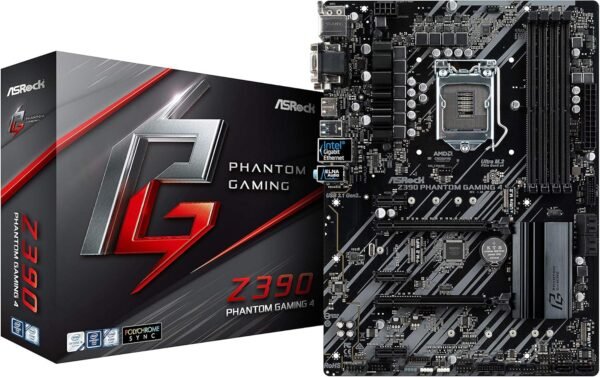
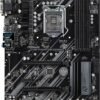
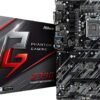
The ASRock Z390 Phantom Gaming 4 is a full size ATX motherboard for Intel’s LGA1151 socket using the Z390 chipset. The product description packs the specification into one line: LGA1151, Intel Z390, DDR4, Quad CrossFireX, SATA3 and USB 3.1, M.2, audio and gigabit Ethernet, ATX form factor. Phantom Gaming is ASRock’s gaming brand, and the 4 designation places this model near the bottom of that range rather than at the top.
Z390 was the enthusiast chipset for its socket generation, which is the reason to choose it over a B or H series board of the same era. It supports CPU overclocking on unlocked processors and carries more connectivity than the value chipsets. Buyers comparing boards from the same generation should look at the GIGABYTE Z390 AORUS Elite and the higher tier GIGABYTE Z390 AORUS MASTER.
Processor And Memory Support
The listing states support for 9th and 8th Generation Intel Core processors on the LGA1151 socket. That is the full extent of the compatibility information given: no individual model list, no BIOS version and no statement about whether a BIOS update is required for any particular chip. Because LGA1151 spanned more than one processor generation and board support varied, checking the ASRock support page for this exact model against the intended processor is a necessary step rather than an optional one.
Memory is four DDR4 DIMM slots running dual channel, non ECC and unbuffered, with a maximum capacity of 64GB. Four slots is the practical advantage of ATX over the smaller formats: memory can be added later rather than replaced. The specification table lists a memory speed of 2400 MHz, which is a base rate. Z390 boards generally support considerably faster memory through overclocked profiles, but this listing does not state a supported maximum, so the qualified vendor list is where that question gets answered.
Slot Layout
The slot arrangement is described precisely and is the strongest part of the listing. Two PCI Express 3.0 x16 slots run either as a single x16 or as x16 and x4 together, and three PCI Express 3.0 x1 slots are described as Flexible PCIe. ASRock also lists support for AMD Quad CrossFireX and CrossFireX multi graphics.
The x16 and x4 split matters. A second graphics card in the lower slot runs at x4 rather than x16, which is why multi graphics configurations of this era rarely scaled well. The more useful reading of the second slot today is as a home for a capture card, a storage controller or a network card, since x4 is ample bandwidth for those.
Storage And Connectivity
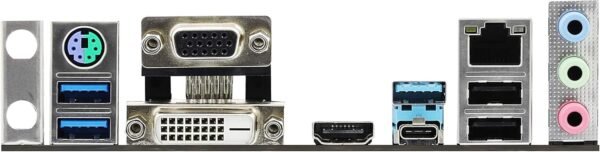
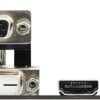
The description names SATA3, USB 3.1 and M.2 without giving counts for any of them. M.2 support means at least one socket for an NVMe or SATA solid state drive, which was still a differentiator when this board launched. Networking is gigabit Ethernet and audio is onboard, with neither the network controller nor the audio codec named anywhere on the page.
One more consideration around the Phantom Gaming 4 name. ASRock uses the Phantom Gaming brand across several tiers, and the trailing number indicates position within the range rather than performance. A lower number generally means a simpler power delivery arrangement and fewer heatsinks than the higher models. This listing does not describe the VRM configuration or the heatsink coverage at all, so anyone planning to overclock a high core count processor should find that detail from the manufacturer.
Highlights
- LGA1151 socket with the Intel Z390 chipset.
- Full ATX form factor.
- Support listed for 9th and 8th Generation Intel Core processors.
- Four DDR4 DIMM slots, up to 64GB.
- Two PCI Express 3.0 x16 slots.
- Three PCI Express 3.0 x1 Flexible PCIe slots.
- M.2 storage support.
- SATA3 and USB 3.1 connectivity.
- Gigabit Ethernet and onboard audio.
- AMD Quad CrossFireX support.
Things To Consider
The specification table contains one field that could genuinely mislead a buyer. Wireless Type is listed as 801.11ac, which is a misspelling of 802.11ac and implies onboard Wi-Fi. Nothing in the product name or the description mentions wireless, and the description lists only audio and gigabit Ethernet for connectivity. Anyone who needs Wi-Fi should assume this board does not have it and plan on a card or a USB adapter. The table also lists the manufacturer as ASRock Rack, which is the server division rather than the consumer one, gives a processor field of core_i5 that describes nothing about the board, and lists product dimensions of 13 by 10 by 2 inches that describe the box rather than a 12 by 9.6 inch ATX board.
- The wireless field appears to be wrong. No onboard Wi-Fi is described anywhere else.
- Supported processor models and BIOS requirements are not listed.
- SATA port count, M.2 socket count and USB port counts are not given.
- The audio codec and network controller are not named.
- The second x16 slot runs at x4, not x16.
- LGA1151 and DDR4 at this tier are a retired platform with no upgrade path.
- Weight, dimensions and manufacturer fields in the specification table are wrong.
Who Should Buy It And Who Should Not
The Z390 Phantom Gaming 4 makes sense for someone building or repairing a machine around an 8th or 9th Generation Intel processor who wants overclocking headroom, four memory slots and a generous slot layout. Five expansion slots on a mid tier board is unusually generous, and for a workstation that needs a capture card and a network card alongside a graphics card, that matters more than chipset generation.
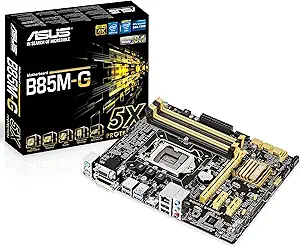
It is the wrong board for a new build, since the platform is retired and DDR4 at 2400 MHz base is two memory generations behind current desktops. Buyers starting fresh should look at a current chipset such as the one on the ASUS TUF Gaming Z690-Plus WiFi. Anyone working with older hardware should compare the GIGABYTE B365 HD3 on the same socket or the older ASUS B85M-G, and the full motherboards category spans both Intel and AMD platforms.