Description
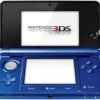
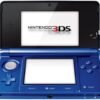
This listing is for a Nintendo 3DS handheld console in cobalt blue, described as a Japan import. That short phrase is the entire product description. There is no specification block, no feature list and no statement of what is included in the box. This review is therefore mostly about what a buyer needs to establish before ordering, because the listing establishes almost nothing.
Two things are worth saying at the outset. First, the Nintendo 3DS is a legacy system. Nintendo has moved on to later hardware, and the 3DS family is no longer in production. Second, this is an import unit, and imported game consoles carry a specific set of practical questions that a domestic retail unit does not.
What This Product Is
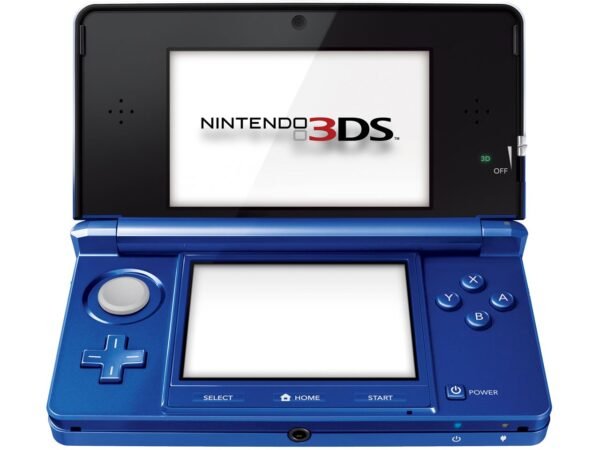
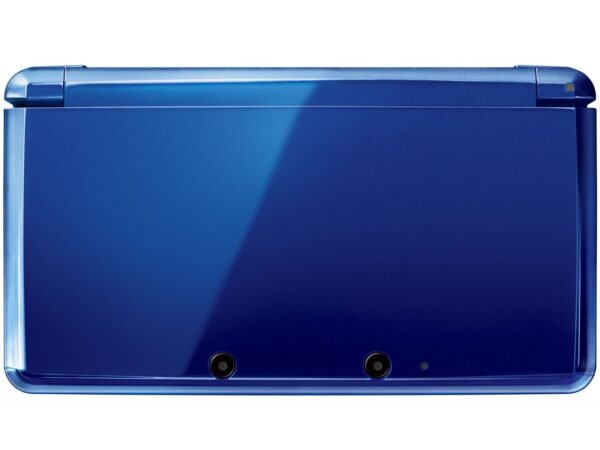
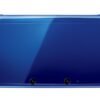
The Nintendo 3DS is a clamshell handheld with two screens, the upper one capable of a stereoscopic three dimensional effect without glasses. It plays 3DS game cards and, on standard models, earlier Nintendo DS software. Cobalt blue is a color variant of the original 3DS hardware, distinct from the later 3DS XL, 2DS and New 3DS models, which differ in screen size, control layout and processing capability.
Filed here under consoles, it is worth acknowledging plainly that a handheld gaming system is outside the usual scope of a PC hardware site. It is in the catalog, so it is covered honestly rather than removed, but anyone arriving from a PC context should know that this is not a computing device and shares nothing with the rest of the hardware on this site.
The Import Question
This is the single most important section, and the listing does not address any of it.
Region compatibility
Nintendo sold the 3DS in regional variants, and the listing gives no statement about which software this unit will run. Do not assume that games purchased in your own country will work on a Japanese unit. Confirm the region behavior of this specific model with the seller before buying, and if you already own a library of games, confirm it twice. This is the most common and most expensive mistake made when buying an imported console, and it is entirely avoidable by asking first.
Power supply
An imported console typically ships with a power adapter for its home market, which means a different plug shape and potentially a different mains voltage. The listing does not state what is included in the box, so it does not say whether a charger is supplied at all, or which market it is intended for. Establish this before ordering, and do not assume that a plug adapter alone makes a foreign charger safe to use. If a charger is not included or is unsuitable, source a correct one for your region rather than improvising.
Language and interface
A Japanese market unit may present its system interface and built-in software in Japanese. Some Nintendo hardware allows language selection and some does not, and the listing says nothing about it. If you do not read Japanese, ask before buying.
Highlights
- Nintendo 3DS handheld console in the cobalt blue color variant.
- Original 3DS form factor, distinct from the later XL, 2DS and New 3DS models.
- Clamshell design with dual screens, the upper one offering a glasses free 3D effect.
- Listed as a Japan import, so it is not a domestic retail unit.
- Legacy hardware, collected and traded rather than sold new by Nintendo.
Things To Consider
Beyond the import questions, there are three considerations specific to buying a discontinued handheld.
The first is the battery. Every 3DS in circulation now carries a battery that is many years old, and lithium ion cells lose capacity with age and charge cycles regardless of how much the device was used. A console that ran for hours when new may run for a fraction of that today. The listing quotes no battery runtime, and no runtime figure should be assumed. Replacement batteries for this hardware exist, and factoring one into the purchase is realistic rather than pessimistic.
The second is online services. Nintendo has wound down the online infrastructure for the 3DS family, including its digital storefront. Anyone buying with online play, digital purchases or online features in mind should check the current status of those services before ordering, because the state of them has changed substantially since the hardware was current. Physical game cards are unaffected by this.
The third is condition. This listing does not state whether the unit is new, used, refurbished or in what cosmetic state, and it does not list a warranty. On hardware of this age, the hinge, the shoulder buttons, the circle pad, the stylus, the screen protector layer and the card slot are all wear points. Ask for specific photographs and a condition statement.
The previous version of this page claimed a game was included in the box and described the battery life as long. Neither claim is supported by the listing data, and both have been removed. Confirm exactly what you are buying with the seller.
Who Should Buy It, and Who Should Not
Buy this if you specifically want Japanese market 3DS hardware, you understand the region and language implications, and you have confirmed the console’s condition and what ships with it. Collectors and importers buy hardware like this deliberately, and for that buyer the import status is the point rather than a drawback.
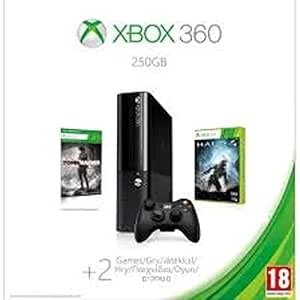
Do not buy it as a general purpose games machine for someone who does not know what they are getting, and do not buy it expecting current online services or a fresh battery. If what you want is portable gaming today, a tablet paired with a Bluetooth controller such as the GameSir X2s covers that ground with current hardware, and a device such as the Samsung Galaxy Tab S6 Lite gives a larger screen than any 3DS model. For PC and console play, a standard gamepad such as the EasySMX X10 is the modern equivalent of the controls here. Our consoles category covers the other legacy hardware we list, including the Xbox 360 E, and our gamepads category covers current controllers.