Description
The Dark Side Of The Moon Version
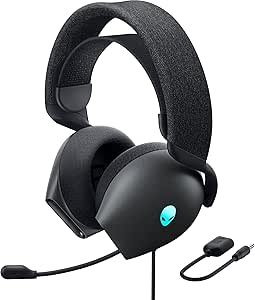
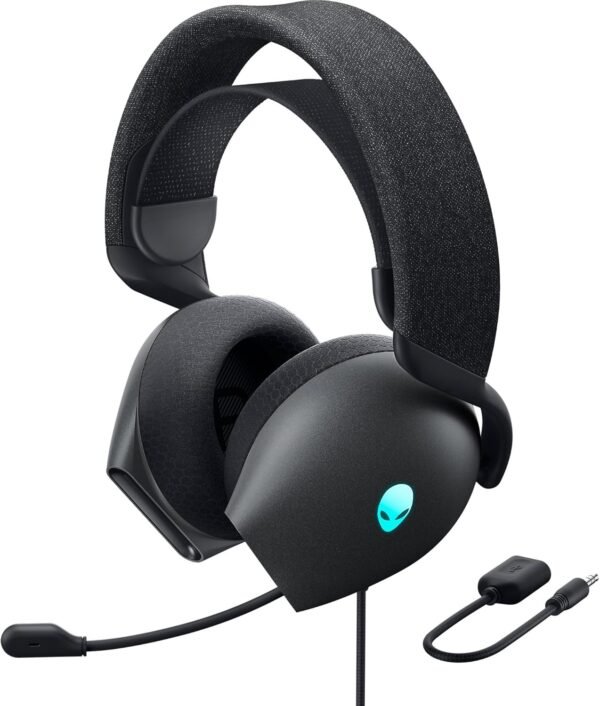
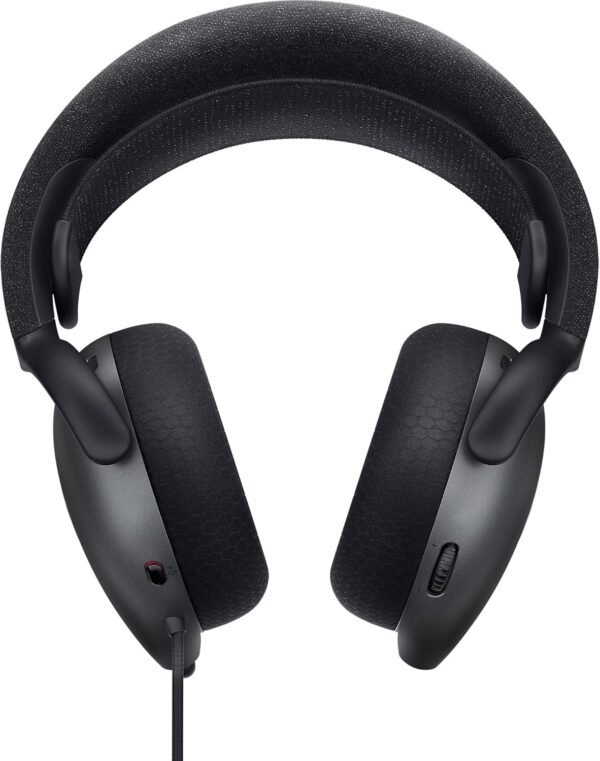
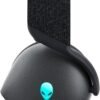
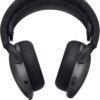
This listing covers the Alienware AW520H wired gaming headset in the Dark Side of the Moon finish. Alienware sells the same headset in two colorways, and the other one appears separately on this site as the Lunar Light AW520H listing. The hardware specification is identical between them: 40mm Hi-Res certified drivers, Dolby Atmos support, a retractable unidirectional microphone, AlienFX lighting and both USB and 3.5 mm connections. Only the finish and the product identifier differ.
That is worth stating plainly at the top, because a buyer comparing the two pages could reasonably assume they are different products. They are not. The choice between them is a color decision, and Dark Side of the Moon is the darker option, which tends to suit a desk where the rest of the hardware is black.
Connections, And Why They Are Not Equivalent
Alienware provides two ways to connect, and they behave differently. The USB connection carries digital audio to a PC and is the route through which spatial processing and lighting control are available. The 3.5 mm connection is analog and works with a console controller, a laptop, a phone or anything else with a headset jack, but a plain analog signal carries no spatial metadata.
The practical consequence is that the headline feature on this product, Dolby Atmos spatial audio, depends on the USB connection and on the platform supporting it. On the analog jack the headset works as an ordinary stereo headset. That is not a fault, but it does mean the value of this model over a cheaper wired headset depends on which cable is actually being used most of the time.
Drivers And Certification
The drivers are 40mm dynamic units carrying Hi-Res Audio certification, and the specification lists a frequency figure of 40,000 Hz. Hi-Res certification is a hardware standard concerned with the driver’s ability to reproduce frequencies well above the range of human hearing, and a 40 kHz capability is what earns the badge. It is a measure of driver headroom rather than of how the headset sounds in a game, and it should be read as a build quality indicator rather than as a performance promise.
Microphone, Controls And Comfort
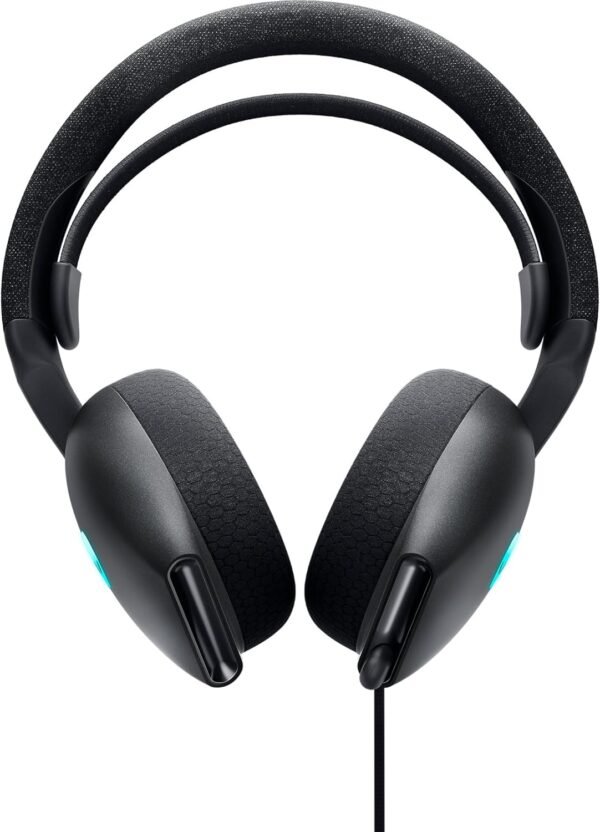
The microphone retracts into the earcup when it is not needed, which is the feature that makes a gaming headset usable outside a gaming context. It is described as unidirectional, meaning it favors the direction it points and rejects sound from the sides, and Alienware states that noise cancellation processing further isolates the voice from ambient sound. That processing benefits the listener at the other end of a call, not the person wearing the headset.
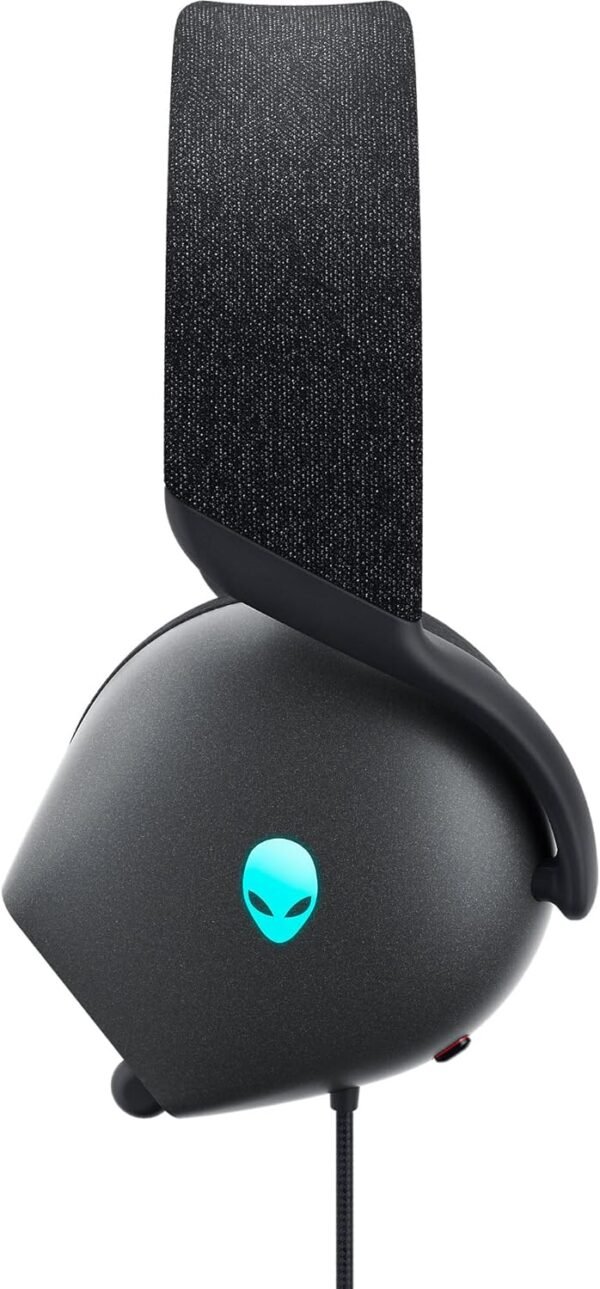
Volume adjustment and microphone mute are handled on the headset itself. Comfort comes from memory foam ear pads covered in breathable fabric, with an adjustable suspension headband that distributes weight across a sling rather than through a single pressure point. The listed weight of 11.8 ounces is on the heavy side, and a suspension band is the design most likely to make that weight manageable across a long session.
One more design point deserves attention. A retractable microphone is mechanically more complex than a detachable one, and it trades the ability to remove the boom entirely for the convenience of never losing it. For a headset that will stay at a desk, retraction is the more practical of the two approaches, since there is nothing to misplace and nothing to reconnect. For a headset that travels, a fully detachable boom looks tidier in a bag.
Highlights
- Dark Side of the Moon finish.
- Wired with both USB and 3.5 mm connection options.
- 40mm Hi-Res certified dynamic drivers.
- Dolby Atmos spatial audio support over USB.
- Retractable unidirectional boom microphone.
- Microphone noise cancellation on the outgoing signal.
- AlienFX RGB lighting with 16.8 million colors.
- On headset volume and mute controls.
- Memory foam pads with breathable fabric and a suspension headband.
Things To Consider
Before the specific errors, note the general gaps: no impedance, no sensitivity figure, no cable length and no statement about whether the USB connection includes its own digital audio converter.
The specification table on this page repeats the same error as the other AW520H listing. Noise Control is recorded as Active Noise Cancellation, but Alienware’s description never claims active cancellation in the ear cups. The noise cancellation described is a microphone feature. Ear cup isolation on this headset is passive, provided only by the pads pressing against the head. Elsewhere, Wireless Communication Technology is listed as Wired, Frequency Range is given as a single figure of 40,000 Hz rather than as a range, and Control Method is listed as Remote where the controls are on the headset itself.
- No active noise cancellation, despite the specification table entry.
- Dolby Atmos requires the USB connection and platform support.
- At 11.8 ounces this is heavier than most wired gaming headsets.
- Compatible devices are listed as Windows and wired devices, so console feature support is not detailed.
- Cable length and whether the cable detaches are not stated.
- Included components list only documentation and the headphone, so no carrying case is described.
- The lighting cannot be seen by the wearer and needs software to configure.
Who Should Buy It And Who Should Not
The AW520H suits a PC gamer who wants spatial audio and a retractable microphone in a wired headset and prefers the darker finish. The dual connection means the same headset covers a desktop over USB and a controller or phone over the analog jack, and the suspension headband is the right answer for long sessions with a heavier headset. Buyers building an Alienware or dark themed setup will find it visually consistent in a way the Lunar Light version is not.
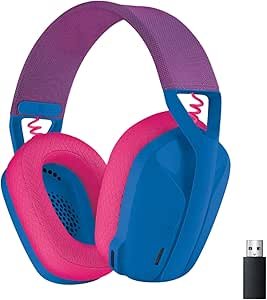
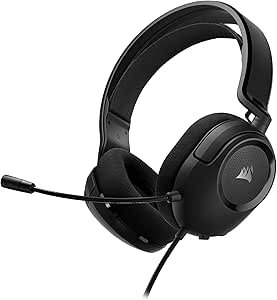
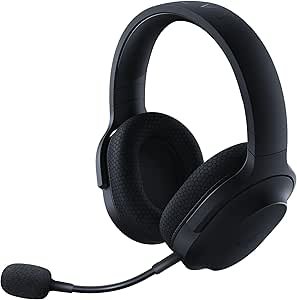
It is the wrong headset for anyone who wants wireless freedom, where something like the Razer Barracuda X or the Logitech G435 is the better fit, and the wrong headset for anyone expecting active noise cancellation. Buyers who want something lighter and cheaper should compare the Corsair HS35 v2 or the FIFINE H3, and the full headsets category lines the tiers up side by side.